
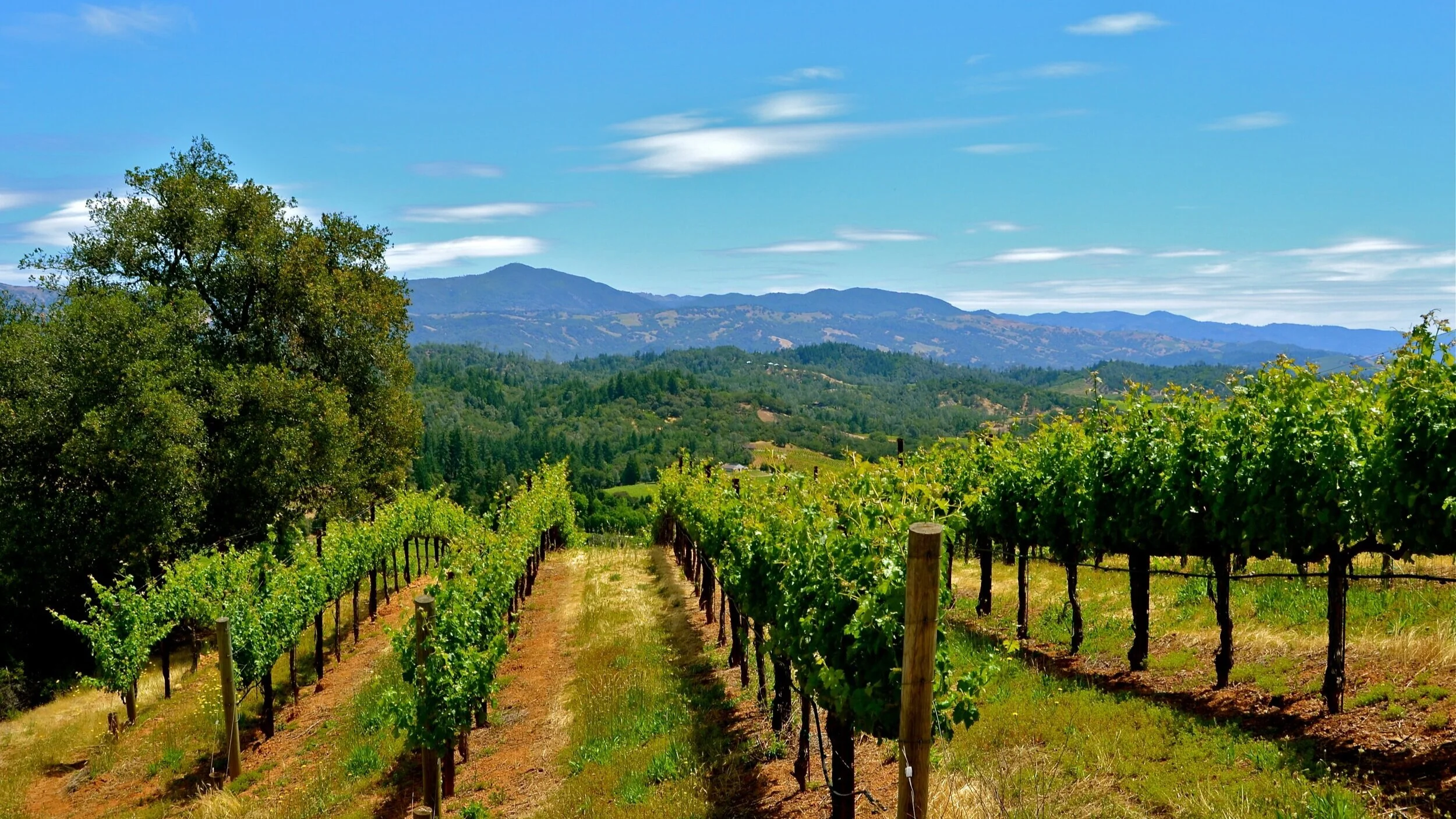
Farming · Dry Creek Valley
We grow grapes the way the hillside wants to.
Sustainable and organic practices on red volcanic Boomer Loam. Five estate varietals. Fruit of documented provenance available to the trade.
Farming Philosophy
Growing with the land, not against it.
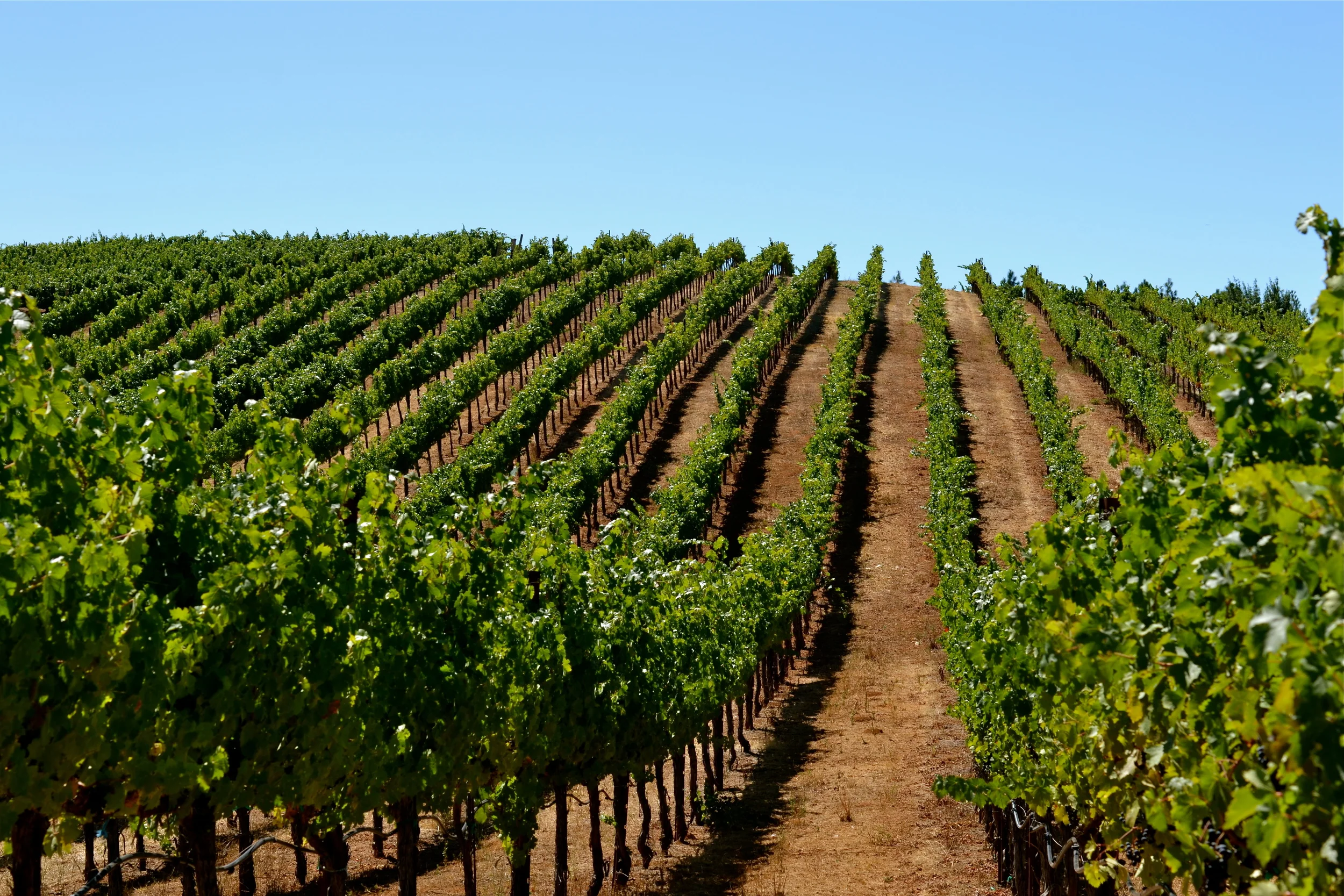
At Collier Falls, the vineyard comes first. Our farming practices are designed around the site — the red volcanic Boomer Loam, the east-north aspect, the elevation above the fog line — rather than around market trends or production targets.
We farm sustainably, which on this hillside means maintaining the natural drainage and root development that makes our soil type exceptional. We avoid unnecessary irrigation except to protect the vines in high heat. We monitor canopy carefully for the aspect and elevation of each block.
In 2025, we took that further and began farming the estate organically. It was a deliberate choice — organic farming is slower and more hands-on than the conventional path, but it's the right way to care for a hillside we intend to pass down. We moved away from synthetic herbicides in favor of the land's own tools: cover crops between the rows, mechanical cultivation where the slope allows, and a small but growing sheep herd that grazes the cover and returns fertility to the soil. It's more work every season — and it's the standard we hold ourselves to now.
The result is fruit that shows its terroir clearly: concentrated, mineral, with the acidity and structure that comes from working red volcanic Boomer Loam at altitude.
Sustainability
Caring for more than the vines.
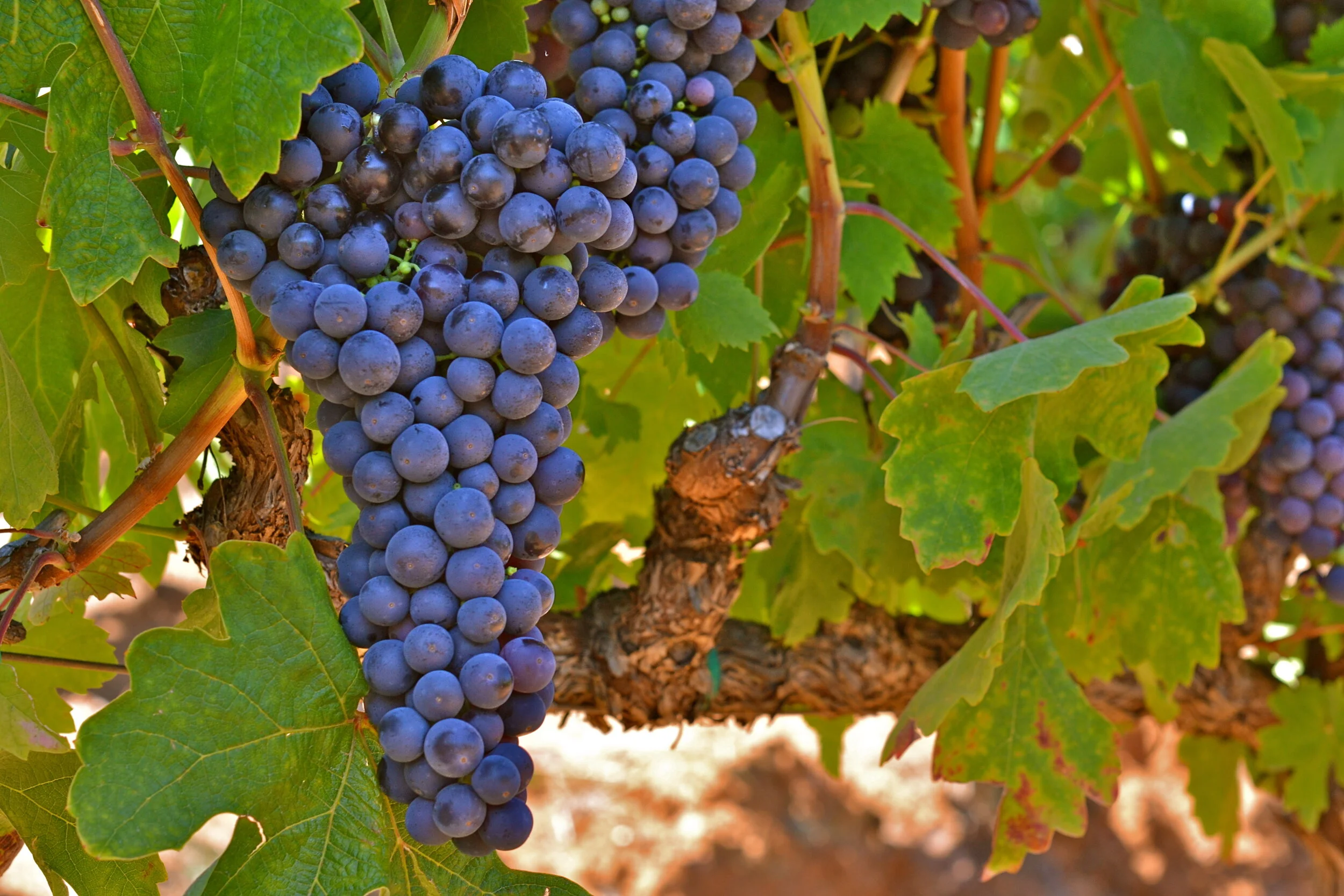
Sustainability here means the integrated management of land, water, vegetation, animals, and insects — the daily work of keeping a hillside healthy, not a line on a label. We farm for exceptional fruit, and we feel a responsibility to preserve our corner of the ecosystem for the next generation of Sonoma County winegrowers. The estate has been farmed to sustainable standards for more than two decades and earned California Sustainable Winegrowing certification in 2019; we are actively pursuing recertification under our ownership.
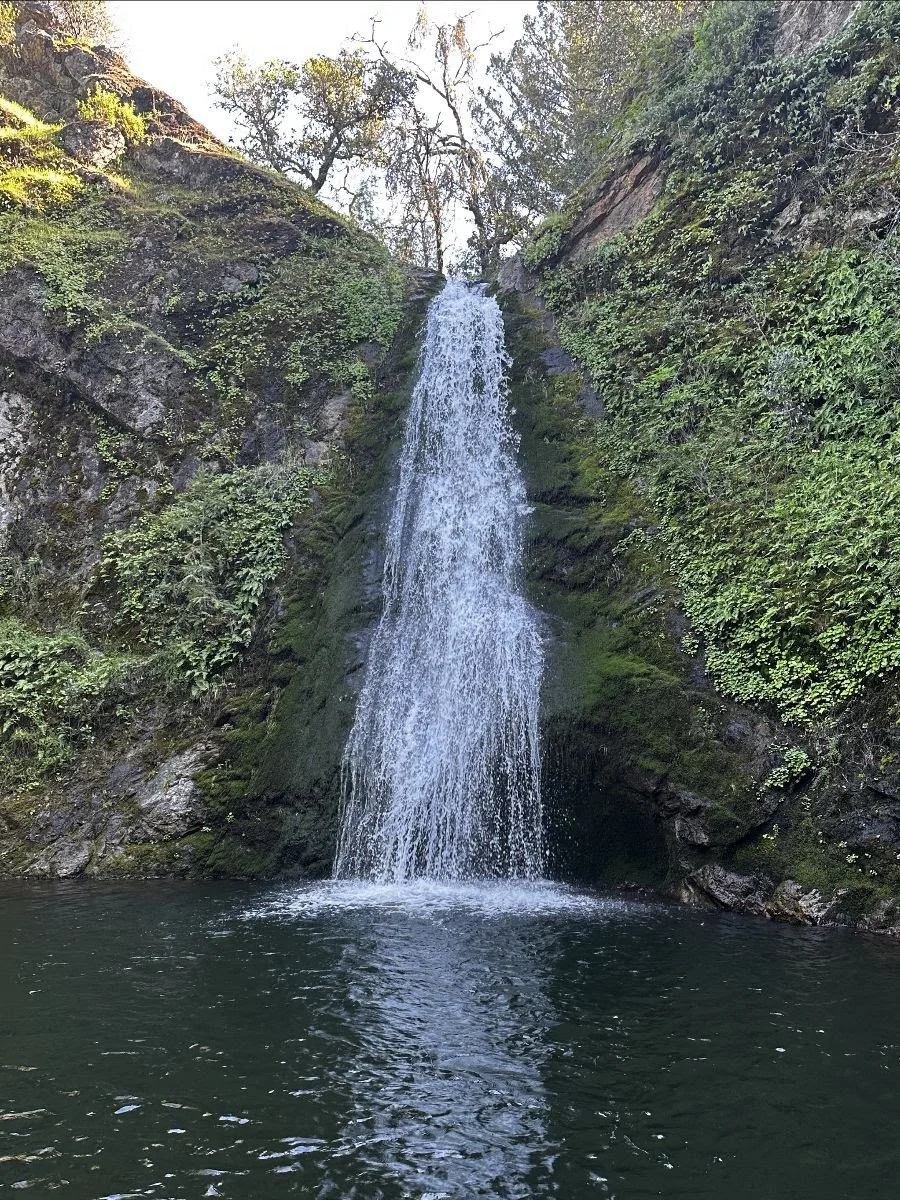
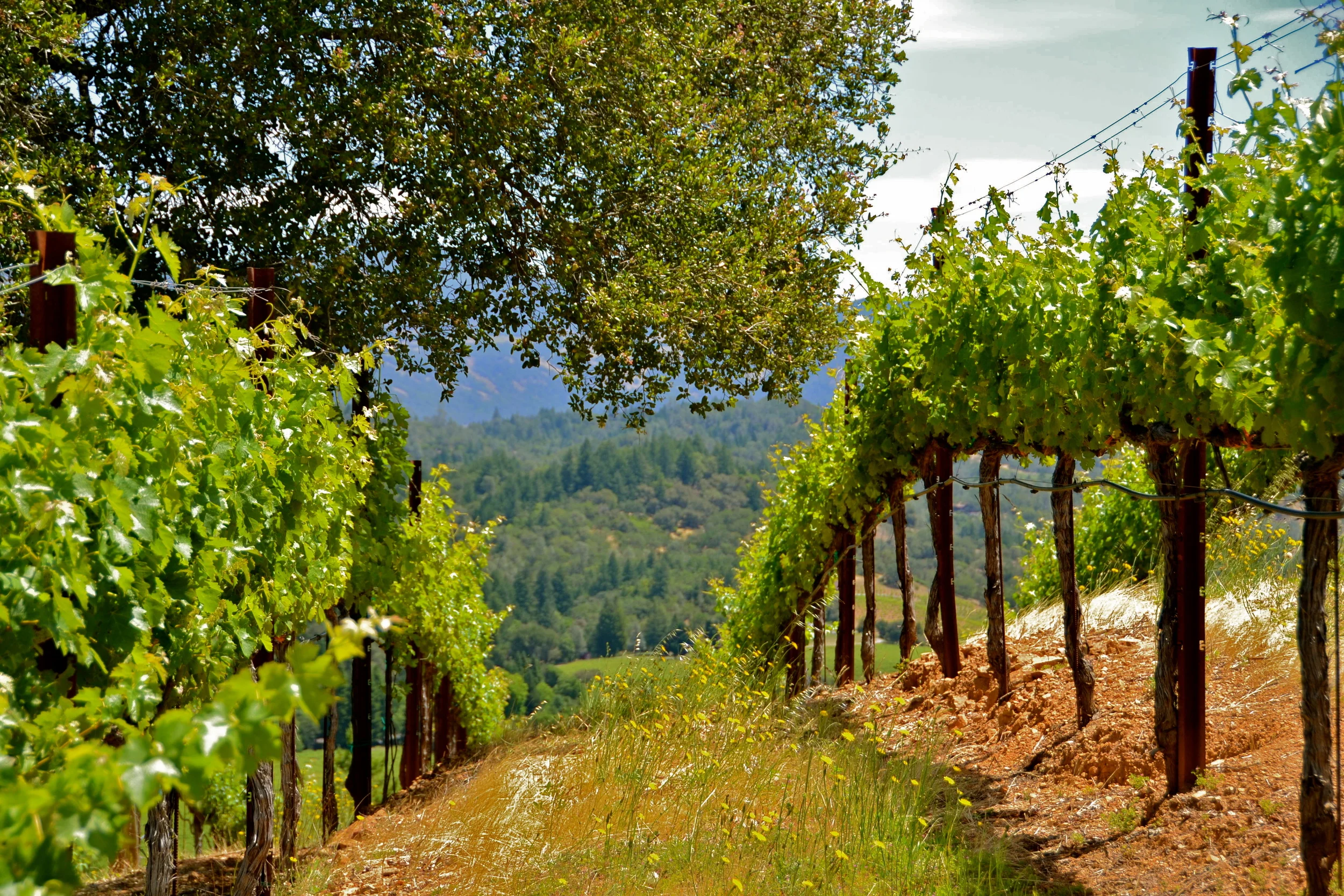
Land and wildlife. The vineyard is just 18 acres of a nearly 100-acre property. In 2019, the estate set aside roughly 63 acres as protected open space, preserving the wildlife corridors and forest habitat that surround the vines — and its Williamson Act Land Conservation Contract, renewed that same year, keeps the land in permanent agricultural use.
Farming the slope. Every block is terraced to slow erosion, and a network of underground drainage, catch basins, and silt ponds captures soil and runoff before it reaches the natural streams and ponds around the property.
Natural pest control. Owl boxes shelter native barn owls, while the Douglas-fir and redwoods on the surrounding hillsides give hawks and falcons their perches — together they keep gophers and voles in check. We release ladybugs to manage spider mites, and pull leaves around the clusters to open the canopy to air and light, easing disease pressure before it starts.
Soil and cover crops. Between the rows we plant native Zorro fescue and blando brome to hold the soil and cut dust and mites, alongside clover and legumes, which feeds beneficial insects and fixes nitrogen back into the ground. Manure, grape pomace, and compost are worked in to build structure and feed the living soil beneath the vines.
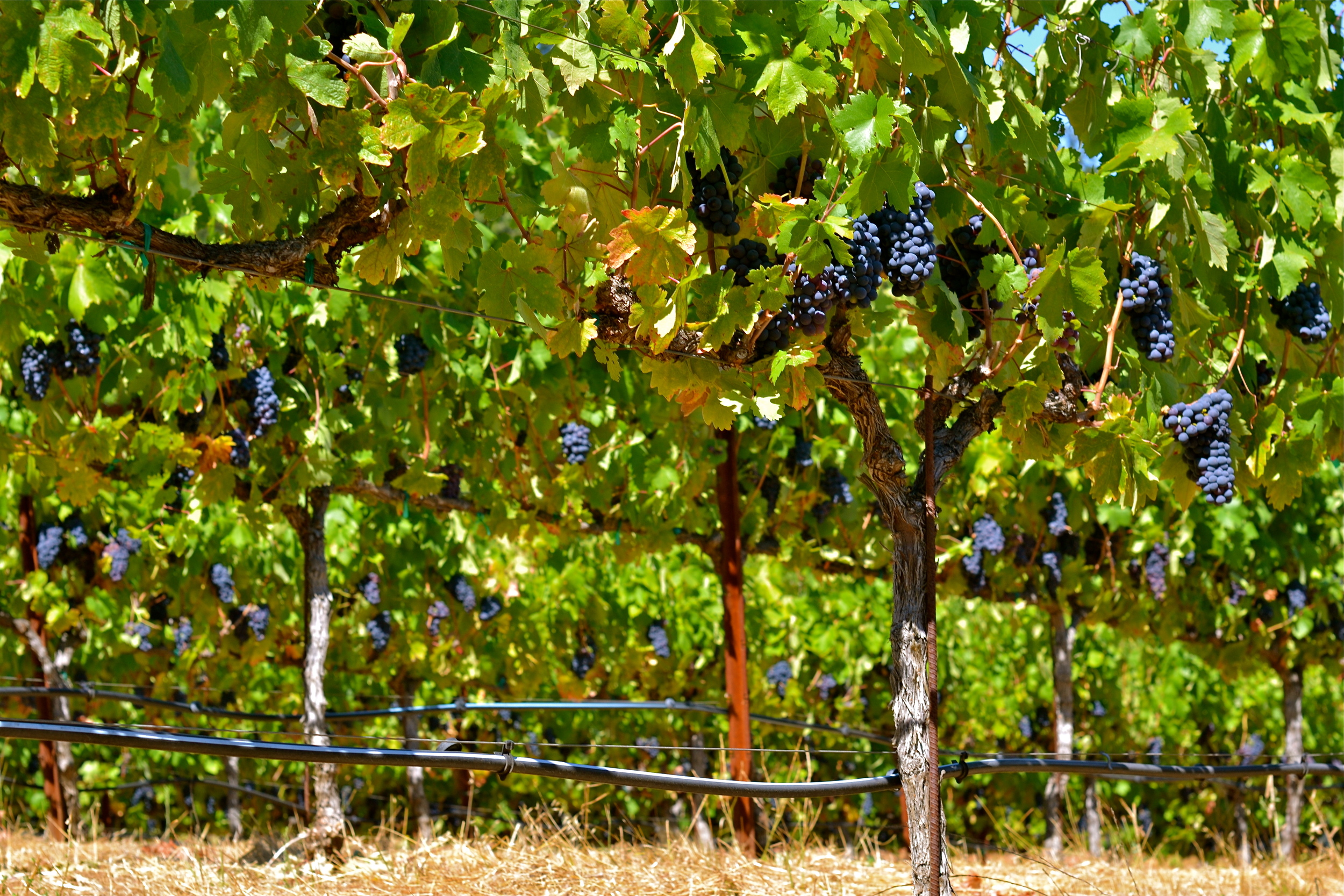
Water. Our water comes from a natural underground well, and a drip system lets us irrigate precisely and sparingly — delivering tailored nutrients like potassium, calcium, and nitrogen only where and when the vines need them.


Estate Blocks
18 acres. Five varietals. One hillside.
-
7+ acres · old-vine Zinfandel (1982), interplanted with Primitivo since 1997 · wide 12′ spacing · red volcanic Boomer Loam · ~1,000 ft elevation
-
~3 acres · traditional spacing · red volcanic Boomer Loam
-
6 acres · Dry Creek Valley AVA · Red volcanic Boomer Loam, north-facing
-
0.5 acres · originally planted for blending · now dedicated to the estate Rosé program
-
0.5 acres · planted in 2024 · growing toward its first vintage
For Winery Buyers
Estate fruit available to the trade.
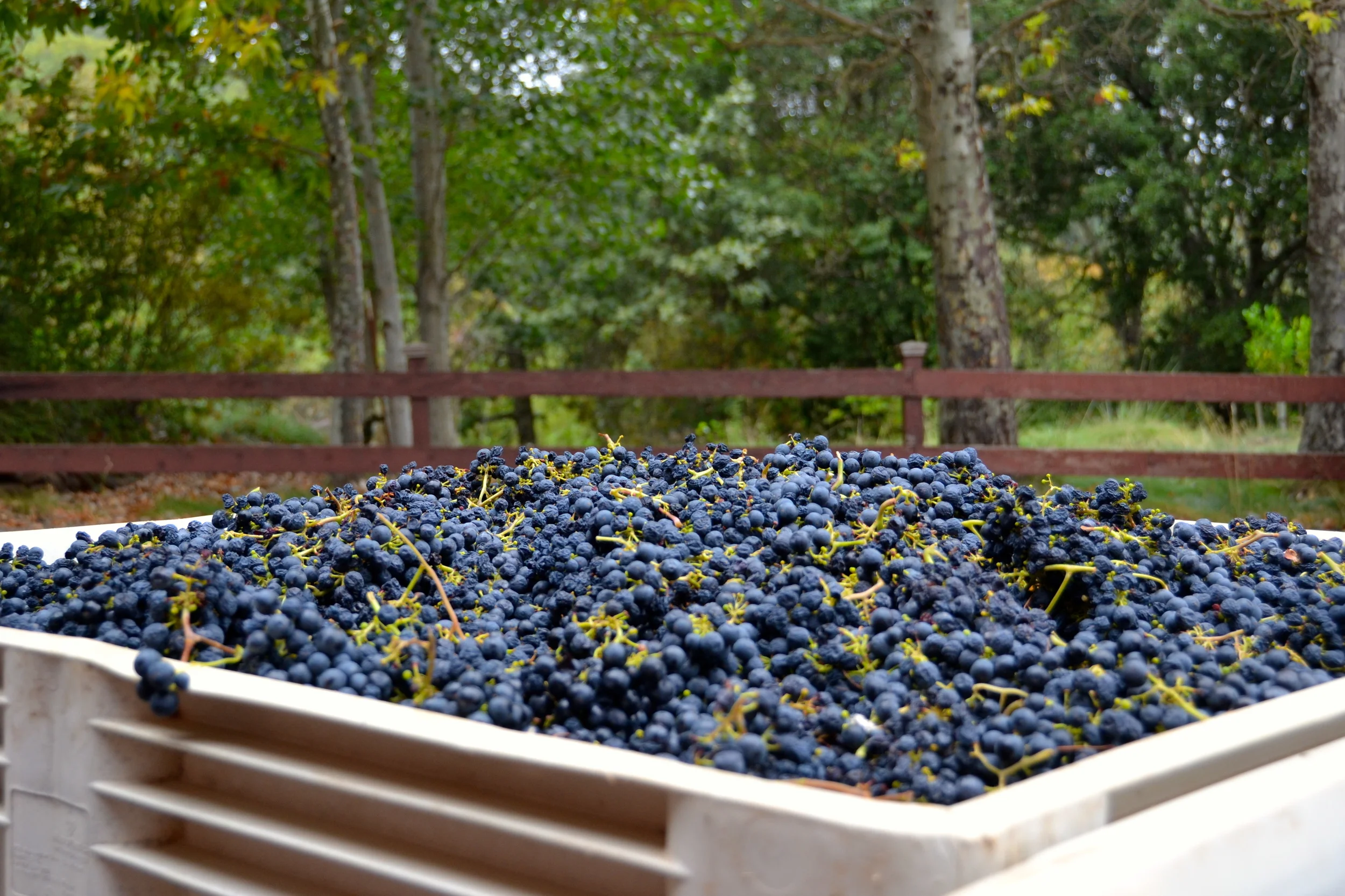
We produce roughly 40 tons of estate fruit annually across our five varietals. A portion is allocated to select winery buyers each vintage. Our fruit has documented provenance: specific blocks, soil type, farming practices, and estimated harvest yields.
We are selective about the wineries we work with. We sell to buyers who care where their fruit comes from and understand why a volcanic hillside in Dry Creek at nearly 1,000 feet is worth paying attention to.
Current Availability: Old Vine Zinfandel · Zinfandel · Cabernet Sauvignon · Primitivo
Future Availability: Cabernet Franc (2027)
All fruit is sold with documentation of block origin, soil type, farming practices, and estimated harvest yields. We are enrolled in the Williamson Act Land Conservation Contract (renewed 2019), confirming the estate’s permanent agricultural character.
Interested in our estate fruit?
We work with a limited number of winery buyers each vintage.
Please introduce yourself and let us know which varietals interest you.